How to Spot Display-Ready LEGO Sets From the Box Alone
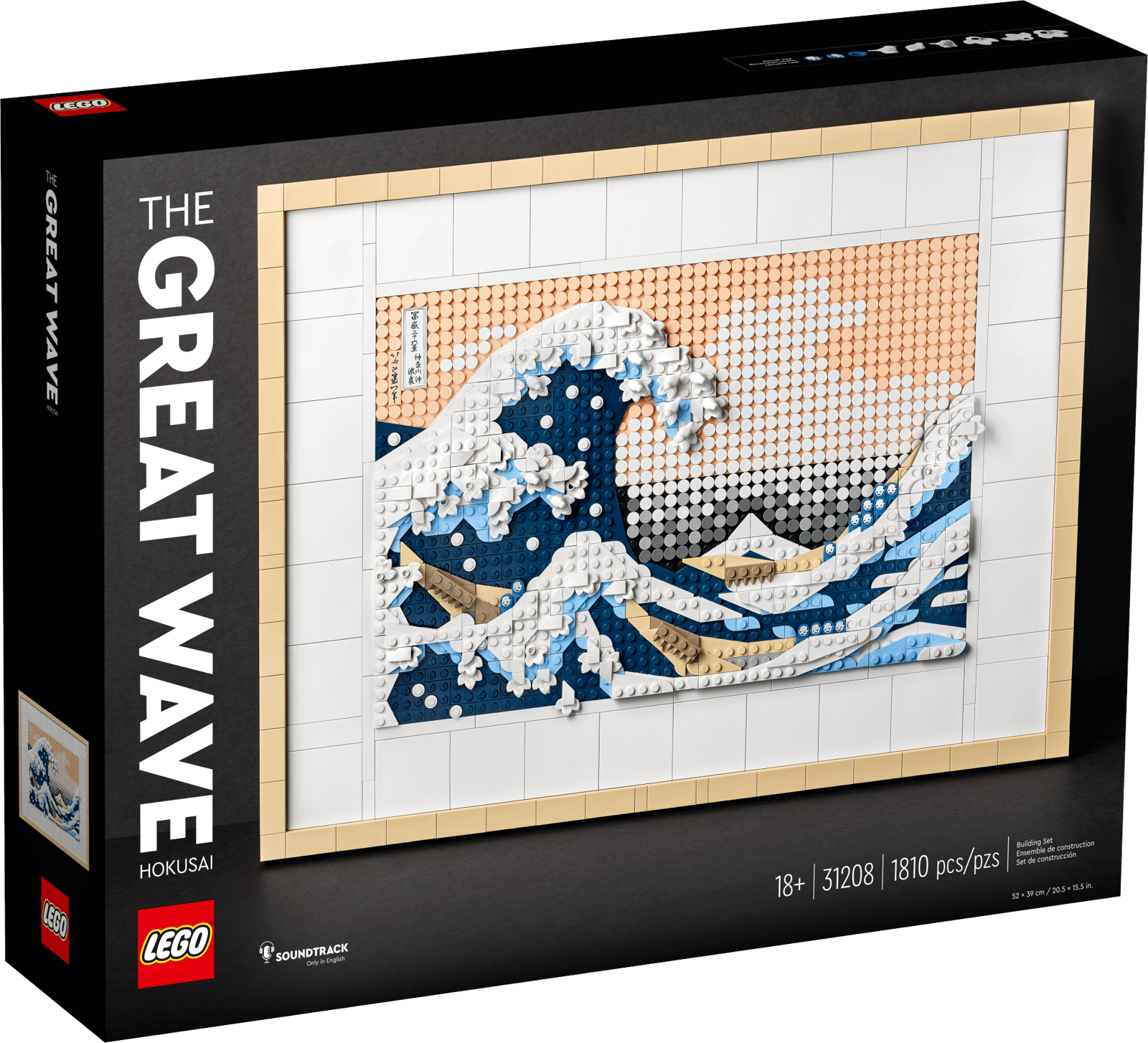
You're in the toy aisle holding a box, and the question you actually care about isn't printed anywhere on it: will this end up on his shelf, or in a bin under the bed by spring?
Here's the good news. Display-ready LEGO sets give themselves away on the packaging – you just need to know which details to check. The LEGO Group designs some sets to be played with and some to be looked at, and it quietly tells you which is which right on the box. Five clues, no research required, all readable while you're standing there holding it.
The Age Badge Is a Design Label, Not a Difficulty Score
Every box carries a suggested age in the corner, and on the grown-up sets it's doing more work than it looks like. On most boxes, the number is a rough guide to who can manage the build. The 18+ badge is different – the LEGO Group uses it to mark sets designed for adults first, and the company itself has said the number has nothing to do with difficulty.
In practice, 18+ is the closest thing to a "meant for a shelf" stamp a box carries. These are the models built to be finished, displayed, and left alone: brick-built flowers, famous buildings, detailed vehicles that never leave the sideboard.
One wrinkle. Plenty of 18+ sets are gentle weekend builds, and the occasional 9+ set turns out genuinely shelf-worthy. The badge tells you who the designers pictured while they worked, not who's allowed to open the box.
Display-Ready LEGO Sets Pose Like Furniture
Now look at how the model is photographed. Play sets get action: little plastic people mid-chase, something on fire, a shark for no obvious reason. Display sets get a portrait – the finished model, straight on, lit like a product in a home catalog.
The LEGO Group leans hard into this. Its adult sets come in black boxes with a minimal design and very little else on the front, closer to a gadget box than a toy box. Put a LEGO Orchid box next to anything with a fire truck on it and you'll see the difference in half a second: one is selling you an object, the other is selling you a scene.
Whatever sits still on the front of the box is expected to sit still in your home.
The Box Does the Measuring for You
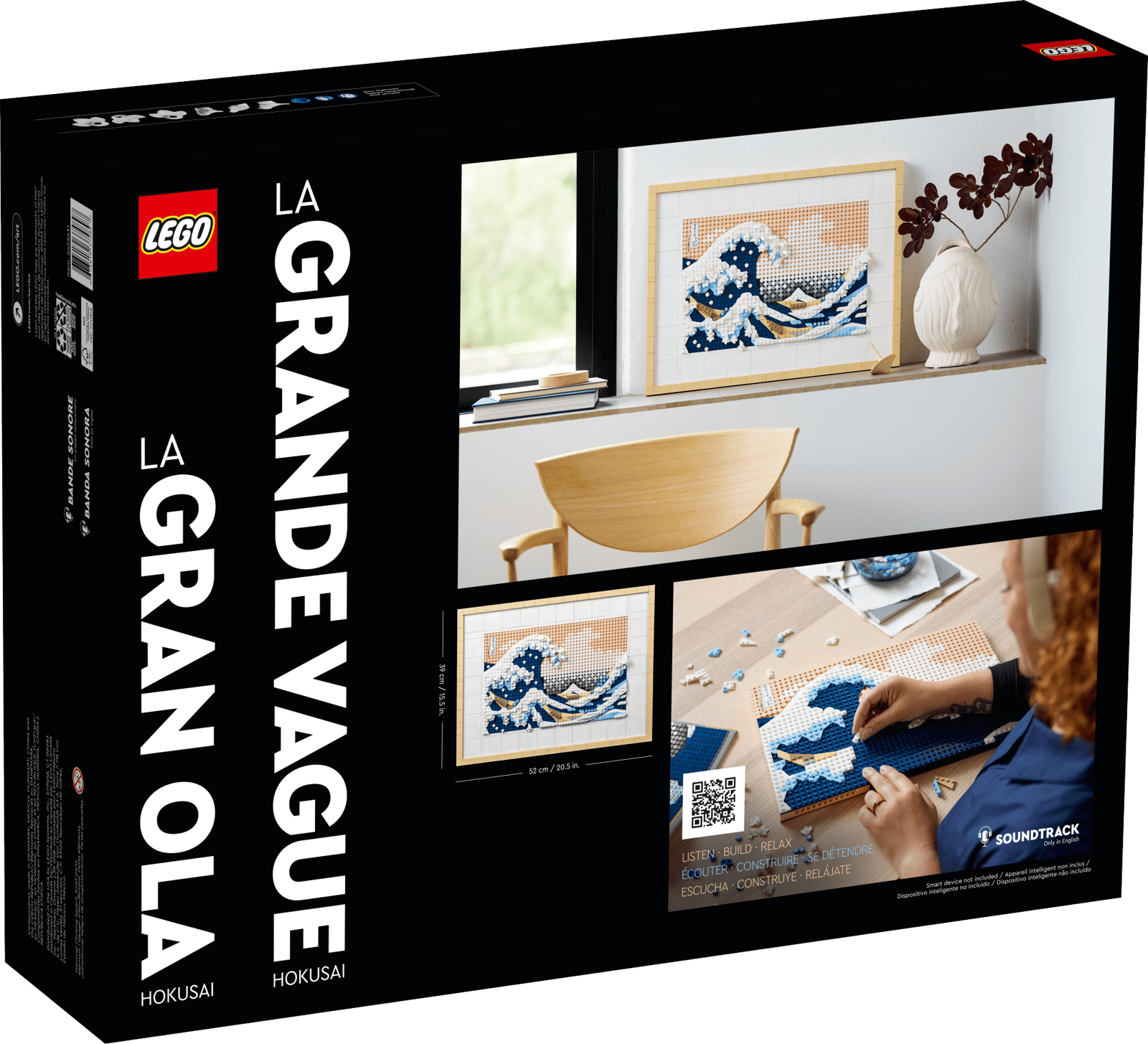
Somewhere on a display set's box, almost always on the back, you'll find the finished model often shown in the form of a technical drawing with its measurements – height, width, sometimes both in inches and centimeters. That number is there because the designers assume you're planning a spot for it, the same way a lamp listing tells you how tall the lamp stands.
Play set boxes count other things: characters, vehicles, features. When the packaging is prouder of what the model does than of how much room it takes up, nobody drew it up with a shelf in mind.
Fair warning, though: very large play sets brag about size too, because a three-foot ship is a three-foot ship. Read the measurements together with the photo, not on their own.
And there's a second measuring trick that costs nothing. Pick the box up. Display models pack hundreds of small pieces into a compact, heavy box, because detail is the whole point. Play sets often go the other way – a big, light box whose large panels assemble in an afternoon. Small and heavy usually builds an object with presence. Big and light usually builds a toy.
Look at the Little Printed People
Minifigures – the official name for those little plastic people – might be the quickest tell of all. A play set puts its whole cast on the front of the box, lined up with their names underneath. A display set usually shows them on the top or one of the sides, standing still.
So look at the little people. If they are presented like action heroes, the set was designed with kids in mind. And if they calmly roam around the build, quietly adding flavor to the scene, this is an adult-targeted product right there.
Zero minifigures is a clear signal for a model that wants to be left alone on a shelf – dusted occasionally and admired often.
Flip It Over Before You Decide
The back of the box is where the designers tell you what they think matters. On a play set, it's covered in feature callouts – arrows pointing at doors that open, things that launch, panels that fold out into a second scene. On a display set, the back shows the model from other angles, close-ups of the clever details, and often the finished piece styled in a real room, on a sideboard next to a plant that didn't need assembling. Some even picture the stand or printed nameplate that comes in the box, and nobody includes a nameplate with something meant for a toy bin.
If the back reads like an owner's manual for fun, it's a toy. If it reads like an interiors spread, it's decor.
What the Box Can't Tell You
All five clues read the designers' intent, and intent isn't everything. A play-line spaceship can absolutely earn shelf space if it's the ship someone loved at nine – sentiment beats packaging every time. The box tells you what a set was built for. You still get the final say on where it lives.
The Shelf Question Was the Easy One
Once you can spot a shelf set at a glance, the rest of the packaging starts asking to be read too. Decoding the Box: How to Read a LEGO Set Like a Pro walks the whole box, front to back, in one pass. And the logo next to the set name? What LEGO Themes Mean for a Non-Fanatic translates it into plain English.
The little printed people get a fuller story in LEGO Minifigures Explained (and Why the Box Highlights Them), and What a LEGO Set Number Means (and When You Need It) covers the five-digit code worth saving before you shop.