What a LEGO Set Number Means (and When You Need It)
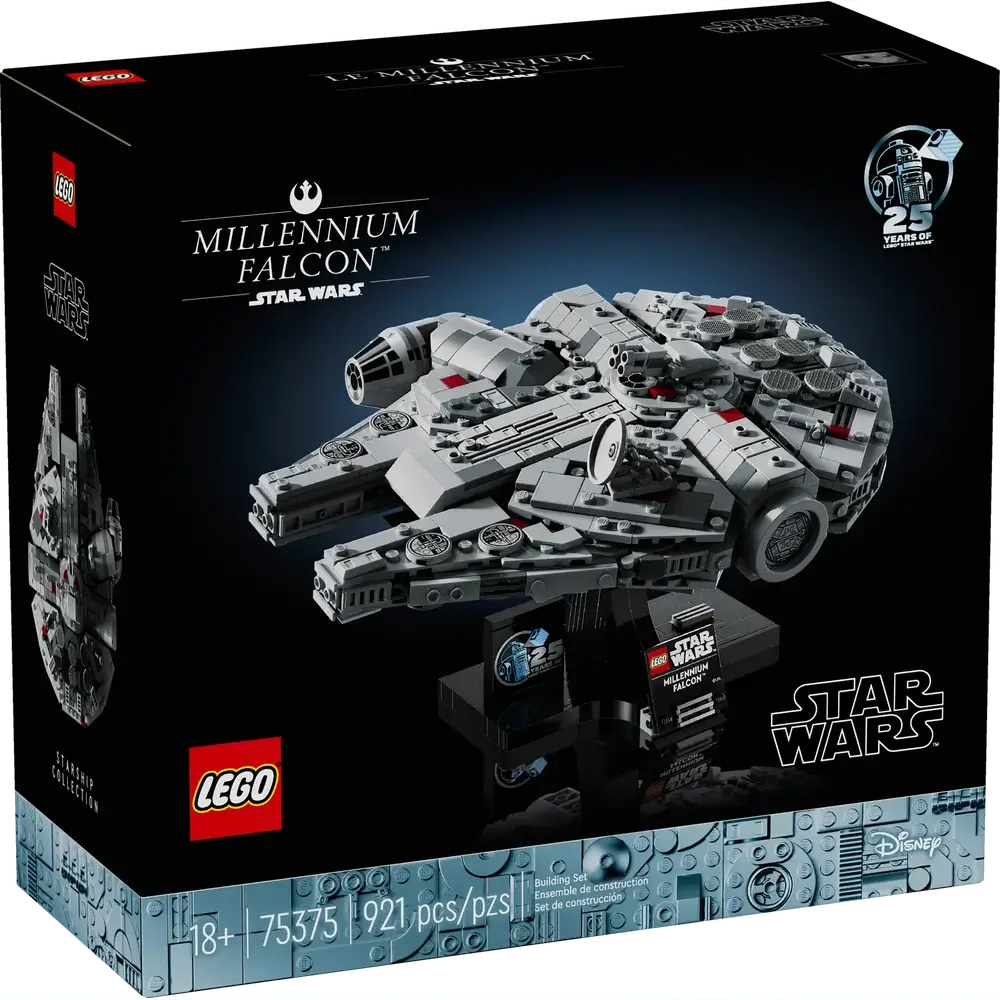
Somewhere in the Star Wars aisle, two boxes are both called Millennium Falcon. One costs $84.99. The other costs $849.99. The names match, the photos rhyme, and the only thing that reliably tells them apart is a five-digit code printed on the front of each box.
That code is the LEGO set number – the one piece of text on the packaging that points to exactly one product. You can shop for LEGO gifts for years without ever noticing it. Then a price looks too good, or a piece goes missing on Christmas morning, and it quietly becomes the most useful number in the house.
Here's what it does, and the handful of moments it earns your attention.
The Name Can Repeat – the Number Can't
The LEGO Group reuses names all the time. Popular subjects come back year after year at new sizes and new prices, each version a different product wearing familiar words. The two Falcons are the textbook case: the big one is set 75192, with 7,541 pieces at $849.99, a build that takes over a dining table for weeks. The small one is set 75375 – 921 pieces, $84.99, finished over a couple of relaxed evenings and sized for a bookshelf. Same name. Not remotely the same gift.
Names stretch across time, too. Boxes have carried the Millennium Falcon name since 2000, so a secondhand listing with exactly the right words can turn out to be a product from two decades ago. Only the number pins down which version is actually for sale.
The number itself is how the LEGO Group tells its own catalog apart. Five to seven digits, no secret meaning folded inside – it doesn't encode the year, the difficulty, or anything else a gift buyer needs to decode. The name sells the fantasy; the number names the product. That division of labor is the whole system.
Where to Find the LEGO Set Number
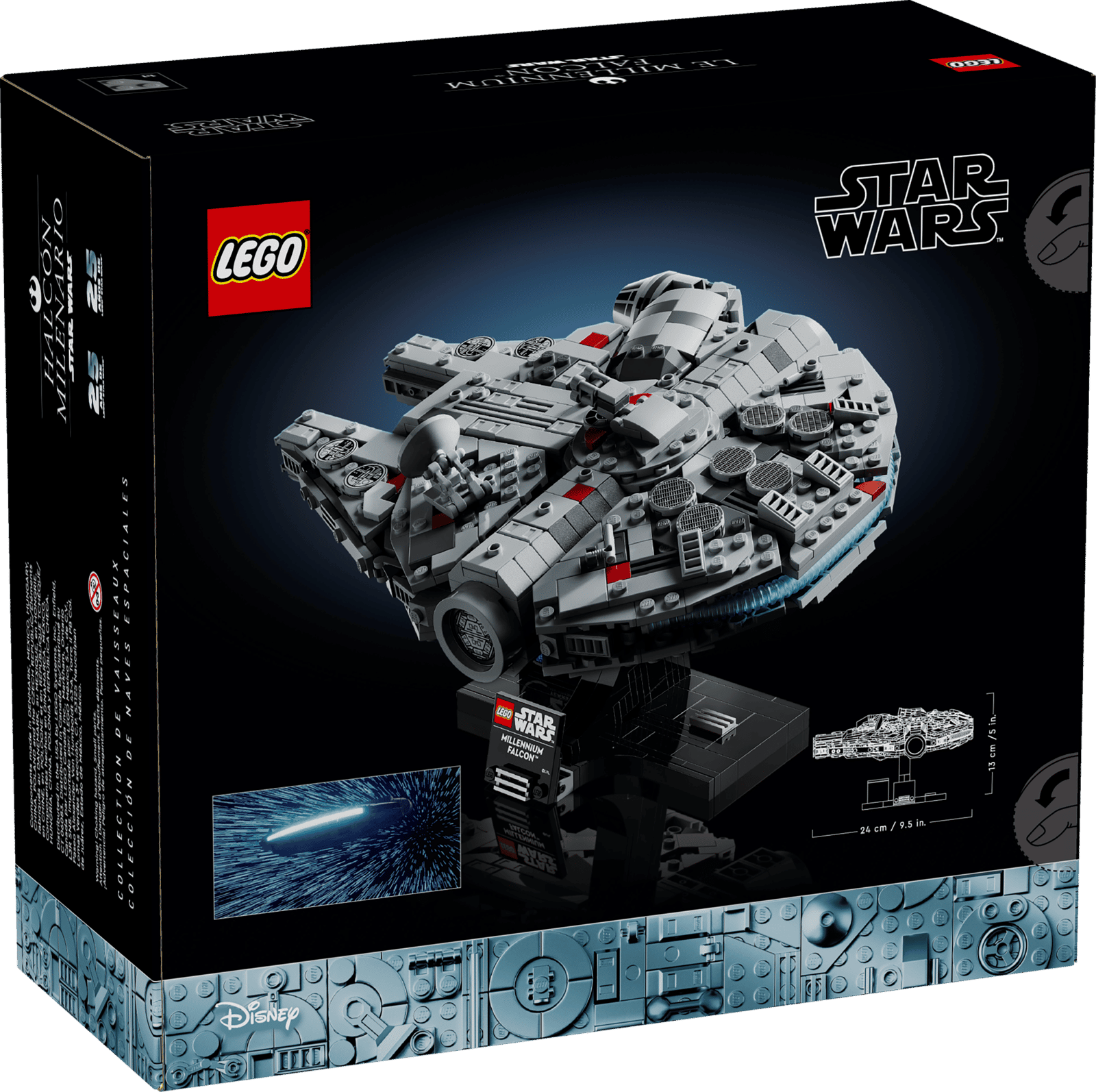
Nobody hides it. The set number sits in large type on the front of the box, shows up again on the side panels, and is printed on every instruction booklet – big sets that split their instructions across several booklets stamp the same number on each one. Online, it usually rides along in the product listing's title.
The box does wear a crowd of other numbers: barcodes, item codes, the small print near the seams. Ignore all of that. The set number is the one displayed like it matters, sitting near the set name rather than buried in the fine print.
One Number, Every Store
Steal one habit from people who buy LEGO sets constantly: once you've settled on a set, stop shopping by name and start shopping by number.
Typing 75375 into a store's search box pulls up exactly one product. Typing Millennium Falcon pulls up a wall of them, plus keychains and look-alikes wearing the same words. The number cuts through the noise, and it works identically at every retailer, which turns honest price comparison into a ninety-second job.
It matters most at the handoff between research and checkout. A gift guide, a nephew's hint, a screenshot from the group chat – however a set landed on your list, the number is what survives the trip to a different website without picking up ambiguity along the way.
The number doubles as the quickest authenticity check available. When a deal looks suspiciously generous, search the set number on its own and compare what comes back. A legitimate listing matches the official product on name, piece count, and photos. A knockoff or a mislabeled listing drifts on at least one of the three, and the number is what exposes the drift.
After the Wrapping Paper Comes Off
The number keeps working after the purchase, which is where it surprises people.
If a piece goes missing mid-build – it happens, usually courtesy of a carpet – the LEGO Group runs a replacement service on its website, and the set number is the first thing it asks for. Lost instructions work the same way: the official building-instructions library is free, searchable by number, and reaches back decades. Both rescues take minutes with the number at hand and turn into archaeology without it.
It also settles the quiet fear of every repeat gift buyer: does he already own this one? The instruction booklets on his shelf each carry the number of the set they came from. A discreet glance at those beats guessing from memory of the boxes.
When You Can Safely Ignore It
A lot of the time, honestly. Browsing needs no numbers – names, photos, and prices are the right tools for the daydreaming stage, and nobody wanders a toy aisle muttering five-digit codes. The number matters when money or accuracy is on the line: comparing prices, clicking buy, rescuing a half-built gift.
Treat it the way you treat a confirmation number. There's no need to memorize it, and every reason to keep it somewhere findable. Jot it down when you shortlist a set, and it will wait quietly until one of its moments arrives.
One Corner of the Box, Decoded
The set number is the only text on the box that can't mislead you – the rest takes some translation. Decoding the Box: How to Read a LEGO Set Like a Pro handles the full front panel, corner by corner, and the other number up there does even more work: How LEGO Piece Count Affects Difficulty, Time, and Size turns it into build time and shelf footprint.
The packaging sends quieter signals, too. Why 18+ and Black-Box LEGO Sets Make Great Adult Gifts explains what the black box is telling you, and How to Spot Display-Ready LEGO Sets From the Box Alone answers whether the finished model deserves the living room.