The Grown-Up's Guide to LEGO Sets: What Changed in 20 Years
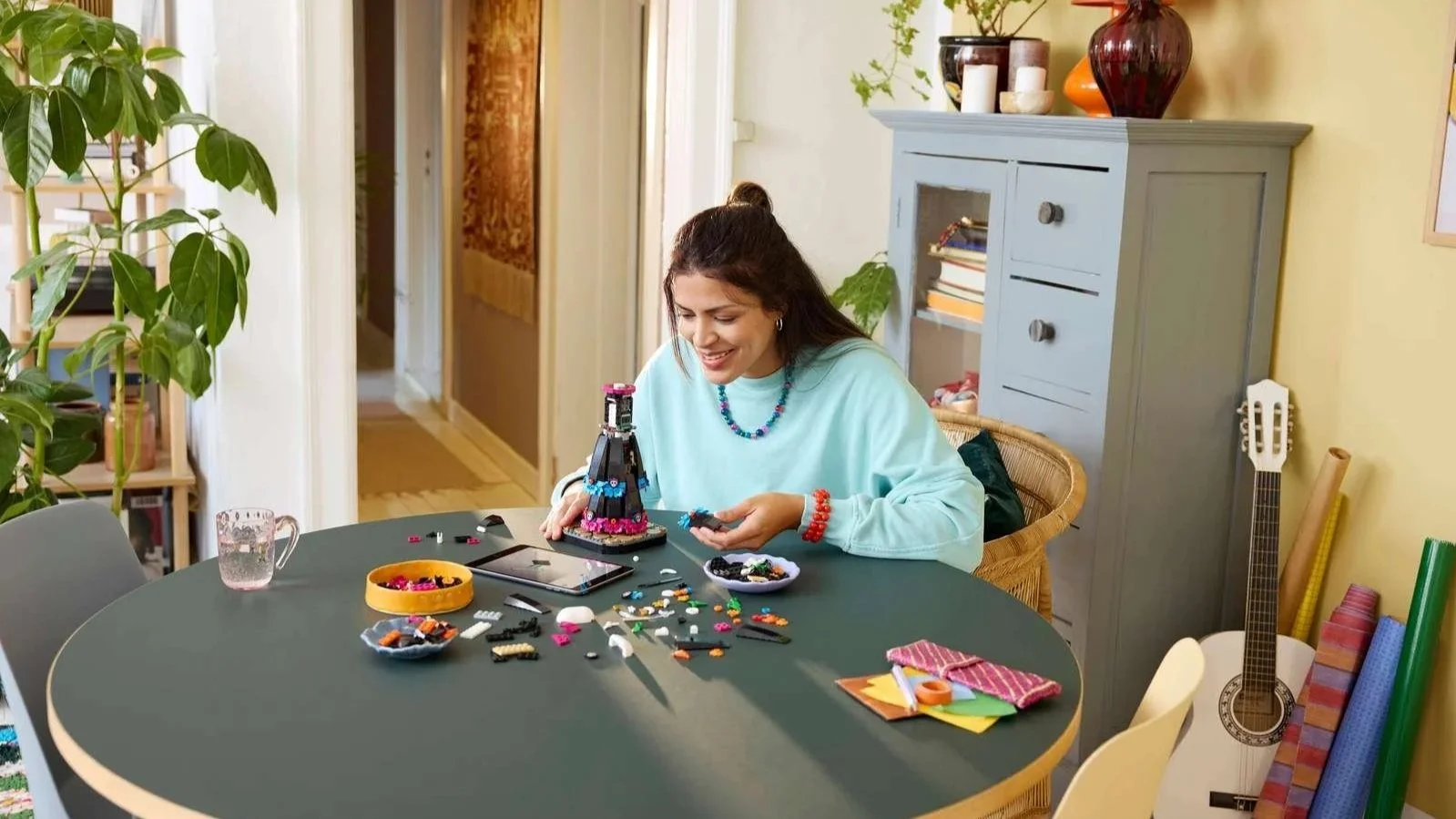
The last time you opened a box of LEGO bricks, the instructions were paper, the bags were plastic, and nobody over fourteen admitted to building. Call it 2006. Twenty years later the bricks still click together exactly the same way – it's everything around them that changed.
LEGO sets now come with loyalty points worth real money, a free replacement service for missing pieces, instructions that live in an app, and an entire product line aimed unapologetically at adults. Almost none of it is advertised loudly, so people coming back after a long gap tend to discover these things one at a time, usually years apart.
Here's the whole list at once: the perks, the policies, and the outright surprises that appeared while you were away. Some will save you real money. One could put your name in a booklet.
LEGO Insiders: The Free 5% Hiding in Plain Sight
Start here, because this one is money. LEGO Insiders is the LEGO Group's free loyalty program, and it pays 6.5 points per dollar spent on LEGO.com or in official LEGO stores – which works out to roughly 5% back once you redeem the points at checkout. Not a fortune, but on a $200 set that's ten dollars for the effort of clicking "join."
The points accumulate in odd little ways, too. Every new set's instruction booklet carries a QR code worth 20 points when you scan it, so even a set that arrived as a gift feeds the account. Double-points promotions come around several times a year, usually timed to the biggest shopping weeks.
From there, points travel two directions: straight discounts at checkout, or the Rewards Center, where they trade for small exclusive sets, keychains, and sweepstakes entries. Members also get early access to some of the biggest new sets, typically a few days ahead of everyone else – a small head start that matters most for the sets everyone wants at once.
The catch: points never come from Amazon or any other retailer, only from the LEGO Group's own channels. If a set costs the same in both places, the points quietly break the tie. The full math, and an honest verdict on whether any of it is worth caring about, lives in LEGO Insiders: Is the Free Loyalty Program Worth It.
Free Sets for Buying Sets
Gift-with-purchase promotions are the closest thing the LEGO Group has to coupon culture. Spend past a stated threshold – or buy one specific headline set – and a small bonus set drops into the cart on its own, free.
These freebies aren't junk, either. They're often little companion builds designed to sit next to the set that earned them, and many are never sold separately at all. The promotions rotate constantly, so the working advice is simple: before any larger purchase, glance at the current offers on LEGO.com first. Timing a purchase you were going to make anyway is the easiest free upgrade in the hobby.
A Missing Brick Is No Longer a Crisis
There was a time when a missing piece meant a half-finished model and a shrug. Now it means a short form. If a brand-new set comes up one piece short – or a piece arrives broken – the customer service section of LEGO.com takes the set number and the part number from the back of the booklet, then mails a replacement free. No receipt interrogation, no return shipping, no arguing.
One honest caveat – the free service covers pieces missing or broken from new sets, not the one the vacuum ate last spring. Lose a piece yourself and you buy the exact part instead, which is easier than it sounds; more on that two sections down.
For the exact steps, including where the part numbers hide, see Missing LEGO Bricks: How to Get a Free Replacement.
The Paper Manual Is Now Optional
Nearly every set's instructions exist as a free PDF on LEGO.com, which quietly solves two old problems: the booklet that got recycled by accident, and the secondhand set that arrived without one.
The bigger change is the LEGO Builder app. It renders instructions in 3D, so a confusing step can be rotated and zoomed instead of squinted at. Anyone who remembers tilting a paper booklet toward the lamp to work out where a dark gray piece went on a dark gray model will appreciate the difference.
One more recent shift: many larger sets now split the build across several numbered booklets with matching bags, so two people can work on different sections at the same time. Some boxes are designed around exactly that – a set as a shared evening rather than a solo project.
The apps, the PDF library, and how to actually follow along get a full walkthrough in LEGO Building App Explained: No Paper Manual Needed.
Buying Spare Bricks and Old LEGO Sets
The LEGO Group sells individual pieces now. The Pick a Brick section of LEGO.com lists thousands of parts by shape and color, priced per piece – useful for replacing a part you lost, stocking a family brick bin, or building something that never came in a box.
For everything Pick a Brick doesn't carry, there's BrickLink, a marketplace the LEGO Group itself owns. Sellers there list nearly every part ever produced, new and used, plus complete old sets in every condition from played-with-and-incomplete to sealed in the original box. The set you had as a kid – the actual set, not a lookalike – is almost certainly on BrickLink right now. Fair warning: searching for it is a strangely effective way to lose an evening.
Fans Design Official Sets Now
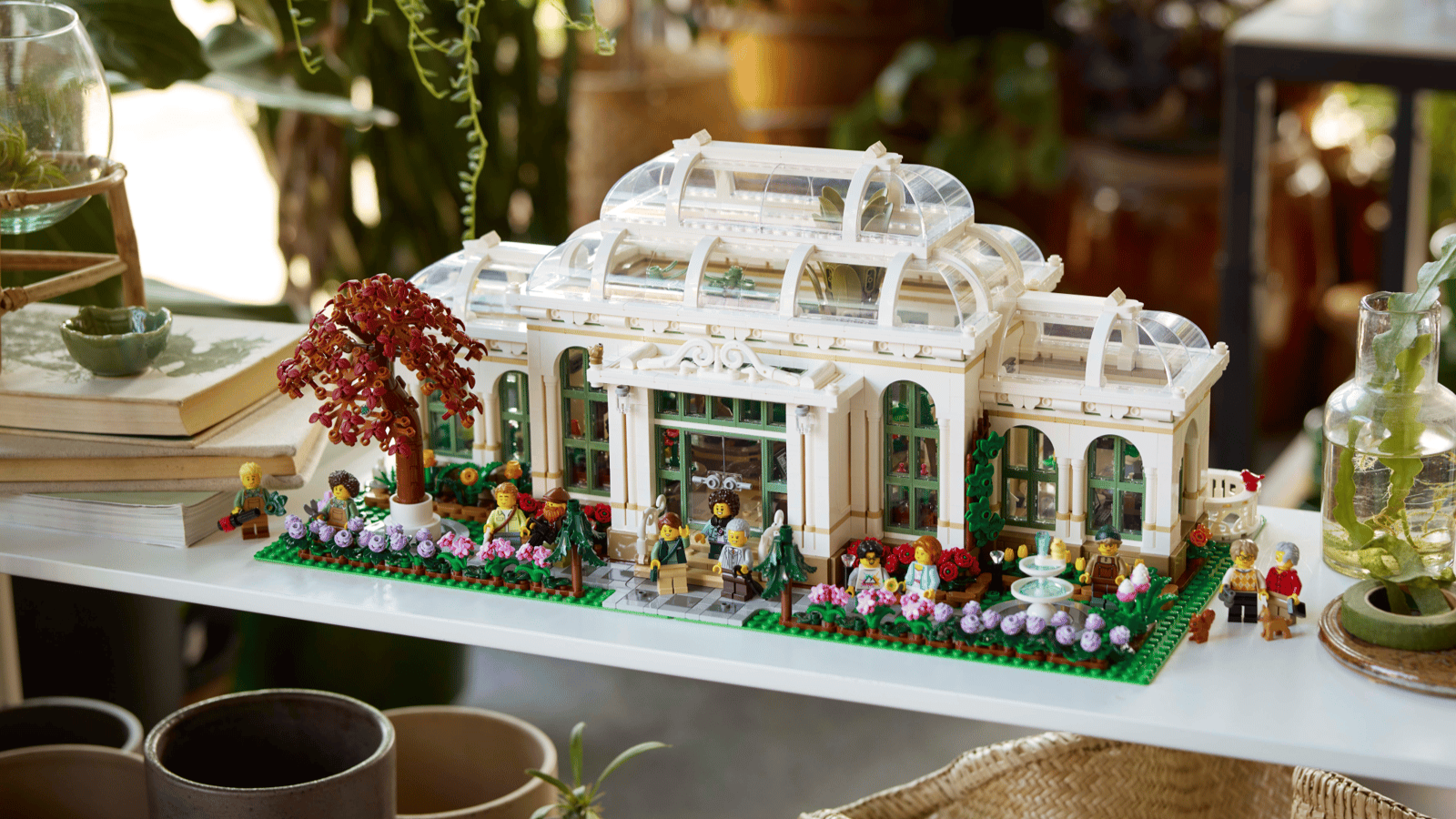
This one still sounds made up: some of the sets on shelves today started as fan submissions. LEGO Ideas lets anyone upload an original design; gather 10,000 supporter votes and it goes to an official review, where a lucky handful become real products with the fan designer's name in the booklet. The site also runs regular design challenges, some of them decided by fan vote rather than the 10,000-vote climb.
The BrickLink Designer Program is the quieter sibling – shortlisted fan designs get produced in limited runs for the people who pledge to buy them, closer to crowdfunding than to a toy launch.
Neither asks for credentials. A good idea and a long supply of patience are the entire entry fee.
The Bags Inside the Box Are Going Paper
Open a new box and there's a decent chance the bags inside are paper rather than plastic. The LEGO Group has spent the past few years switching its factories over; more than half of its packing lines have already made the change, and almost all LEGO packaging by weight is paper or cardboard at this point.
The bricks themselves are a slower story. Most are still the same sturdy plastic you remember, though a growing number of pieces are made with plant-based or recycled materials. The company is open about this being a work in progress – which is roughly the right amount of credit to give it.
The Coffee Table Books Are Real Books
Somewhere along the way, LEGO books grew up too. The big hardcover albums – visual dictionaries, theme retrospectives, anniversary volumes – are well made in a way that surprises people: heavy paper, sharp photography, trivia written by people who clearly enjoyed the research. Many come with an exclusive minifigure packaged right on the cover, a small plastic person available nowhere else.
As gifts they fill a useful slot: LEGO enthusiasm in book form, no building commitment required.
Star Wars Opened a Door That Never Closed
For its first several decades the LEGO Group made a point of never borrowing anyone else's characters. Then came the Star Wars license in 1999, and that principle expired on the spot. The list of partners since runs well past a hundred names once you count every film studio, game franchise, show, and car brand that has had its own sets.
At any given moment, roughly two dozen licensed lines share the shelves – Star Wars and Marvel next to Minecraft, Pokémon, Formula 1, and a rotating cast of one-off collaborations. For a gift buyer the practical effect is enormous: if the person you're shopping for loves something, there is probably a LEGO set of it.
There's Merchandise Now, Too
The LEGO merchandise section of LEGO.com sells the things around the hobby: clothing, mugs, backpacks, storage, keychains, home goods. Quality varies the way it does in any brand shop – some of it you'd happily own anyway, some of it is a logo on a t-shirt – but for stocking stuffers and add-on gifts it covers ground the sets themselves can't. A brick-shaped storage box has rescued more than one living room floor.
Twenty Years of Change, No Set Picked
None of that history actually picks a set for you. How to Choose Your First LEGO Set as a Returning Adult turns two decades of change into a short list sized for a first weekend back.
A lot of what's different isn't features – it's why adults are coming back to the hobby at all. LEGO Sets for Stress Relief That Actually Work gets into that part, and once the box is finished, Can You Rebuild a LEGO Set More Than Once? covers what happens next.